

infinity bathroom mirror
Understanding Liquid Check Valves Function and Importance Liquid check valves, also known as non-return valves or one-way valves, are crucial components in various fluid handling systems. Their primary function is to allow the flow of liquid in one direction while preventing backflow. This feature is particularly important in systems where maintaining a controlled flow is vital for operational efficiency and safety. Check valves operate based on pressure differential. When liquid flows through the valve in the intended direction, the internal mechanism allows the valve to open, facilitating smooth flow. However, if there is any attempt for fluid to flow backward, the valve closes automatically, preventing any reverse movement. This automatic operation is pivotal in preventing potential damage to pumps and other equipment that could result from backflow. These valves come in various designs, including swing check valves, lift check valves, and ball check valves, each serving different applications based on their specific mechanical functions. For instance, swing check valves utilize a hinged disc that swings open and closed, while ball check valves use a ball mechanism that will seat to block backflow when flow reverses. The choice of valve depends on the system's requirements, including the type of liquid being transported, pressure and temperature conditions, and installation orientation. liquid check valve One of the critical advantages of liquid check valves is their role in enhancing system reliability . By preventing backflow, they help maintain the proper operation of pumps and ensure that pipelines do not become contaminated by reverse flow. This is especially important in applications like water treatment plants, chemical processing facilities, and hydraulic systems, where preventing contamination and maintaining flow integrity are essential. Moreover, check valves contribute to energy efficiency within a system. By ensuring that the flow is unidirectional, these valves reduce the workload on pumps, thereby saving energy and extending the lifespan of equipment. They are relatively easy to install and require minimal maintenance, making them a practical choice for many applications. In conclusion, liquid check valves are integral components in fluid handling systems that prevent backflow, enhance reliability, and improve energy efficiency. Their various designs cater to a wide range of applications, ensuring that regardless of the system's unique needs, there is a suitable check valve available. Understanding their function and benefits underscores the importance of these valves in maintaining effective and safe fluid transfer in countless industries.
about
infinity bathroom mirror
Replacing a Water Shut-off Valve A Step-by-Step Guide Water shut-off valves are essential components in any plumbing system. They control the flow of water into your home, allowing you to stop the water supply during repairs or emergencies. Over time, these valves can become corroded or fail, necessitating a replacement. This article provides a detailed guide on how to replace a water shut-off valve. 1. Gather Your Tools and Materials Before you begin the replacement process, ensure you have all the necessary tools and materials. You will need - A new shut-off valve (make sure it matches the size and type of the existing valve) - A pipe wrench or adjustable wrench - Teflon tape - A bucket (to catch any water) - Towels or rags - A hacksaw (if the old valve needs cutting off) 2. Shut Off the Main Water Supply Start by turning off the main water supply to your home. This is typically located near the water meter. Open faucets at the highest and lowest points of your home to relieve any pressure and drain the system. Be prepared with a bucket to collect any residual water. 3. Locate the Shut-off Valve Identify the location of the shut-off valve you plan to replace. It is usually found on the water supply line leading to appliances or fixtures, such as sinks, toilets, or laundry machines. replace water shut off valve 4. Remove the Old Valve Using the pipe wrench, carefully loosen and remove the old valve. If it’s difficult to remove, you may need to cut it out using a hacksaw. Take your time to avoid damaging the connecting pipes. Once removed, clean the threads of the pipe to ensure a proper seal with the new valve. 5. Install the New Valve Wrap Teflon tape around the threads of the new shut-off valve to prevent leaks. Attach the valve to the pipe using your wrench, turning it clockwise. Make sure it’s secured but be careful not to overtighten, which could cause damage. 6. Test for Leaks Once the new valve is installed, turn the main water supply back on and check for leaks. Open and close the new valve to ensure it operates correctly. If there are any leaks, tighten the connections gently. Conclusion Replacing a water shut-off valve is a manageable DIY project that can save you money and prevent future water damage. By following these steps carefully, you can ensure a successful installation that maintains the integrity of your plumbing system. Regular maintenance and timely replacement of valves can help keep your home safe and dry.
-

High quality industrial productsagement

High quality industrial products
View Details -

Meet the diverse needs of customers

Meet the diverse needs of customers
View Details -

Strict quality control

Strict quality control
View Details -

Top raw materials

Top raw materials
View Details -

Trusted supplier

Trusted supplier
View Details
Our application



news and information
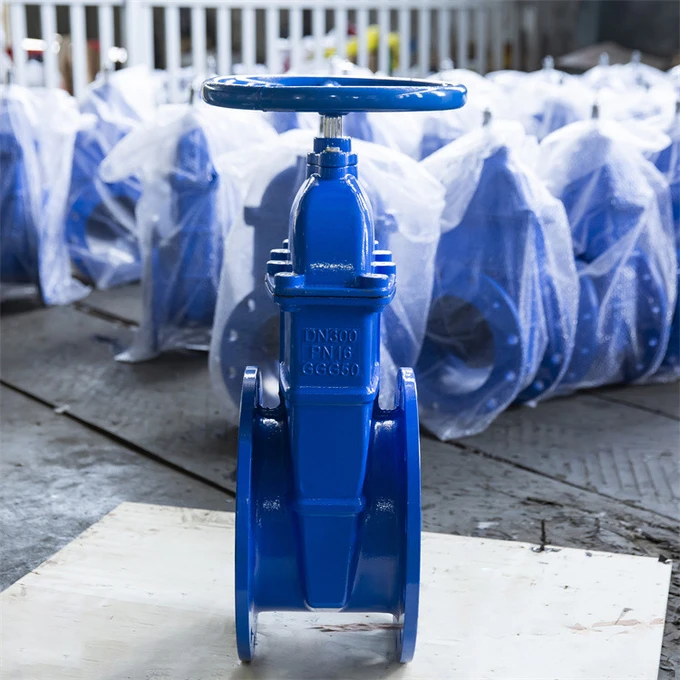
Water Flow Control Using Valve Mechanisms for Efficient Management
The Importance of Valve Water Management in Modern Industry In today's industrial landscape, effecti
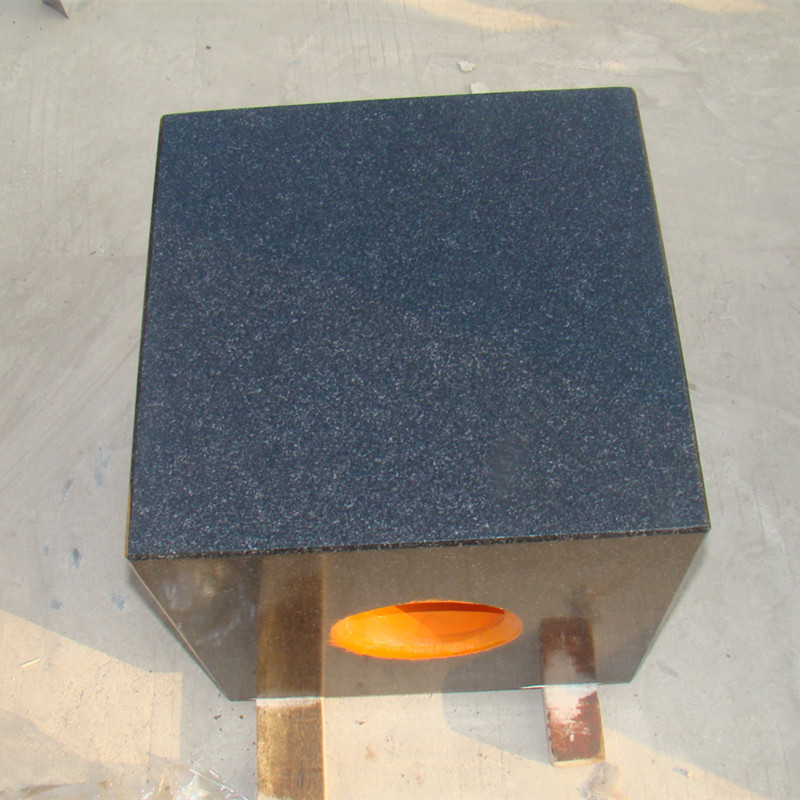
Using Cast Surfaces for Precision Plate Fabrication and Measurement Techniques
The Importance of Cast Surface Plates in Precision Manufacturing In the realm of precision manufactu
which way is open on a water valve
Understanding Water Valve Orientation Which Way is Open? Water valves are crucial components in plum
 English